
DESTINATION · China
Sanjiangyuan National ParkWildlife destination field guide
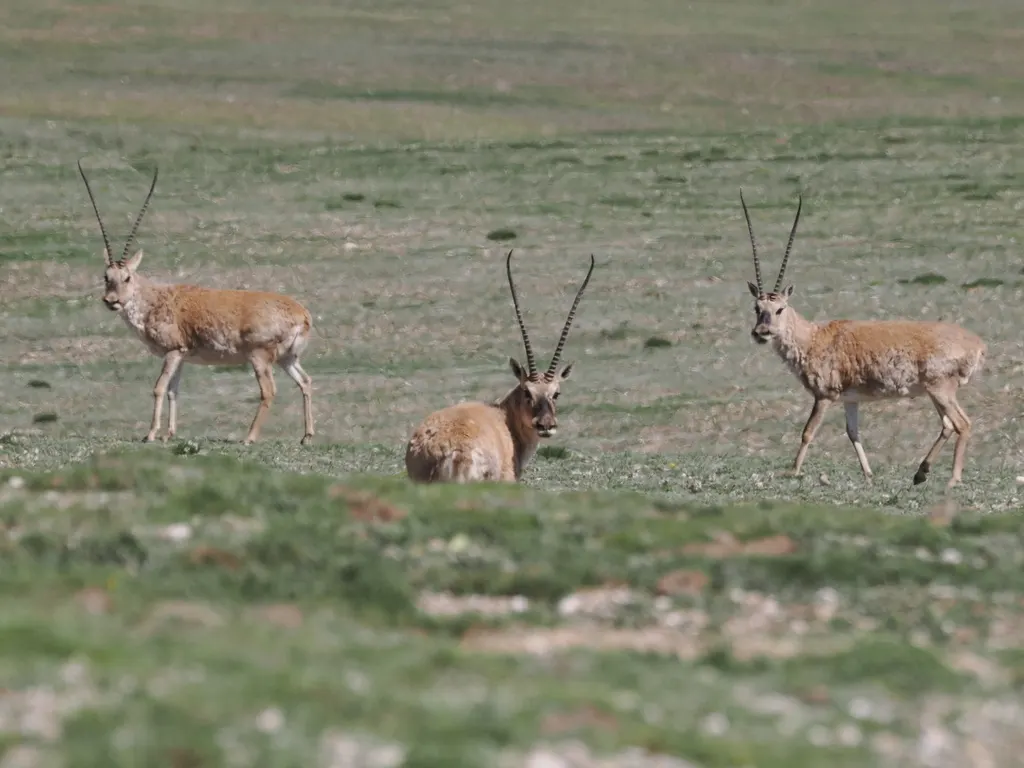
Sanjiangyuan is a vast connected system of snow mountains, glaciers, lakes, headwater wetlands and alpine meadow. The Yangtze, Yellow and Lancang rivers begin here. Pikas, raptors, hoofed mammals and large carnivores follow the same watercourses and ridgelines.
- Country or region
- China
- Observation window
- Jun-Sep
- Suggested stay
- 5-8 days
- Coordinates
- 34.50° N, 95.50° E
Start with the habitat
Sanjiangyuan is a vast connected system of snow mountains, glaciers, lakes, headwater wetlands and alpine meadow. The Yangtze, Yellow and Lancang rivers begin here. Pikas, raptors, hoofed mammals and large carnivores follow the same watercourses and ridgelines.
Water is the clearest way to read the region. Snow and glacier melt enter lakes, marshes and meadow. Vegetation stores water and slows runoff, while wildlife movement and community stewardship take place across the same network.
Best time to visit Sanjiangyuan National Park
The meadow wakes
Headwater wetlands thaw, early flowers appear and breeding birds become active. Cold weather can still return quickly.
Peak growing season
Meadow growth is strongest, making the food web among pikas, raptors and high-altitude ungulates easier to read.
Autumn colour and movement
The air often clears and grass turns yellow. Animals adjust elevation and range as night temperatures fall.
How to read a field day
Scan valleys and ridgelines
Use binoculars to find ungulate silhouettes, raptor perches and pika activity before moving closer.
Follow water through the plants
Compare marsh, stream and meadow, noting how slope and moisture change the vegetation.
Wait at a fixed viewpoint
Look for distant wolves or Tibetan foxes without moving toward game trails or rock faces.
A practical route
- Allow time in Xining or another lower location to acclimatise, then check both health and weather before travelling higher.
- Choose one publicly accessible experience area in the Yangtze, Yellow or Lancang headwaters instead of trying to cross several regions.
- Use community nature education, fixed viewpoints and wetland stops to understand the area without pursuing a rare species.
Before you leave
- Put altitude adaptation ahead of a species list. Descend if clear symptoms of altitude illness appear.
- Pack layered warmth, sun protection and shelter from wind, rain and snow. Several weather conditions can occur in one day.
- Core protected areas are not ordinary visitor sites. Do not record or share precise locations for snow leopards or other sensitive wildlife.
Representative species
These species help explain the food web and habitat around Sanjiangyuan National Park. An association in the catalog does not guarantee a sighting.
Sources and review
The sources below support the ecological background and access boundaries in this guide. Current weather, permits, roads and local notices still need a separate check before travel.
SafariWild reviewed this page on . To report an error, send the page URL and a verifiable source through the contact page.