
DESTINATION · Australia
Ningaloo CoastWildlife destination field guide
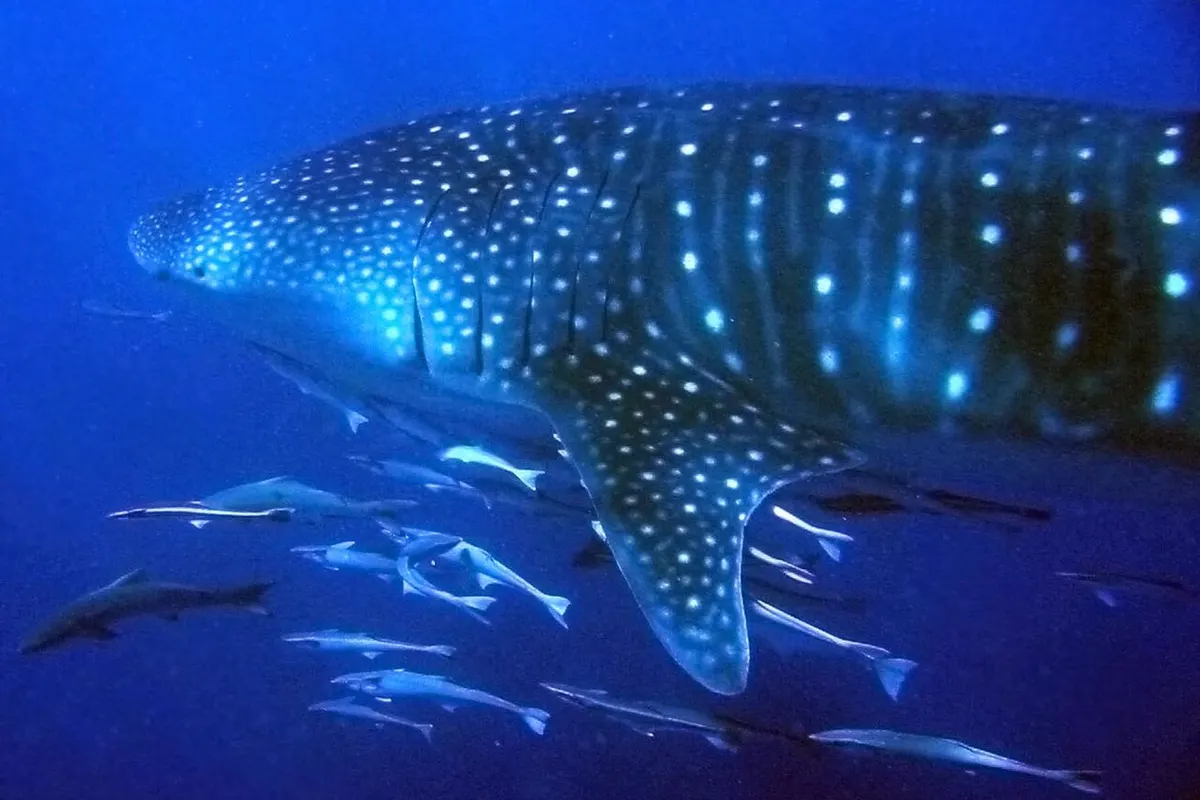
The Ningaloo Coast places a major nearshore reef beside the desert coast of Western Australia. At many sites, the lagoon begins close to the beach. Seasonal whale shark gatherings receive the most attention, but manta rays, turtles, humpback whales, coral spawning and the coast itself make up the wider marine safari.
- Country or region
- Australia
- Observation window
- Mar-Jul
- Suggested stay
- 4-6 days
- Coordinates
- 22.70° S, 113.65° E
Start with the habitat
The Ningaloo Coast places a major nearshore reef beside the desert coast of Western Australia. At many sites, the lagoon begins close to the beach. Seasonal whale shark gatherings receive the most attention, but manta rays, turtles, humpback whales, coral spawning and the coast itself make up the wider marine safari.
The barrier reef reduces ocean swell, and the lagoon, seagrass beds and coral communities provide different nursery and feeding areas. Seasonal nutrients, coral spawning and changes in plankton draw whale sharks. Inland limestone ranges and desert also belong to the same World Heritage system.
Best time to visit Ningaloo Coast
Main whale shark season
Whale sharks gather during the annual period of high productivity. Sea conditions and the behaviour of each animal still determine whether a swim can take place.
Manta rays and migrating whales
Manta rays and humpback whales can be observed in different bays and months. Each activity has its own operating and distance rules.
Heat and tropical weather
Land temperatures are high and tropical cyclone risk increases. This is outside the usual whale shark period.
How to read a field day
Leave with a licensed crew
Complete the swimming and distance briefing. Spotters and crew decide whether conditions allow a safe encounter with little disturbance.
Swim beside, never across
Stay at the required distance and move alongside the shark. Do not touch it, dive underneath it or chase an animal that changes direction.
Return to the lagoon
A shore snorkel or tide-pool walk can show how coral, fish and seagrass relate to the productivity that draws large marine animals.
A practical route
- Choose a licensed small-group operator in Exmouth or Coral Bay and leave a spare day in case sea conditions cancel the trip.
- Pair one whale shark day with a shore or lagoon snorkel rather than pursuing large animals on consecutive days.
- Add a coastal or Cape Range habitat so the route includes the meeting of desert and reef.
Before you leave
- Neither a whale shark nor permission to enter the water is guaranteed. Choose an operator that clearly follows limits on people, distance and boat speed.
- Use sun-protective clothing and a physical sunscreen suitable for reef visits. Do not stand on, touch or remove coral.
- Check wind, swell and tropical weather, and be honest about swimming ability. Safety takes priority over keeping pace with an animal.
Representative species
These species help explain the food web and habitat around Ningaloo Coast. An association in the catalog does not guarantee a sighting.
Sources and review
The sources below support the ecological background and access boundaries in this guide. Current weather, permits, roads and local notices still need a separate check before travel.
SafariWild reviewed this page on . To report an error, send the page URL and a verifiable source through the contact page.