
DESTINATION · South Africa
Kruger National ParkWildlife destination field guide
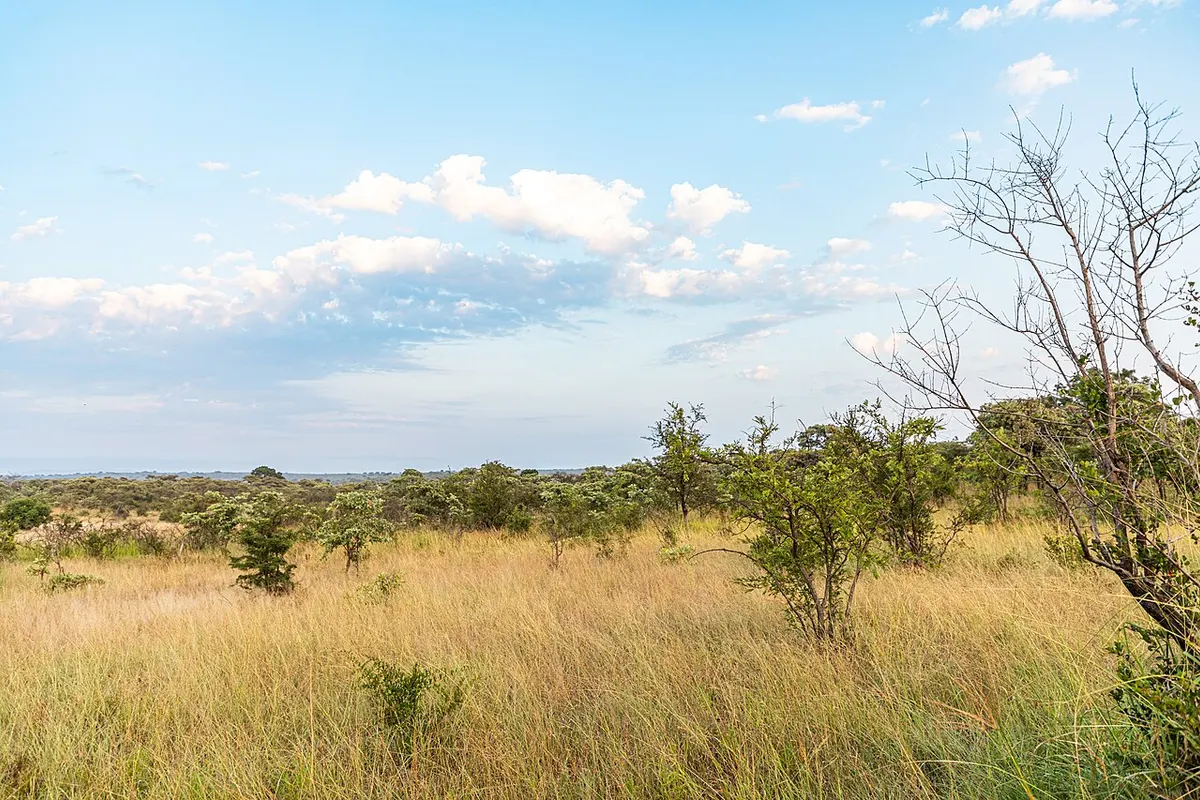
Kruger covers almost two million hectares of lowland in northeastern South Africa. It is one of southern Africa's most established places for a self-planned safari, but its size rewards a slower route. Riverine woodland in the south, open plains in the centre and mopane woodland in the north hold different combinations of water, plants and animals.
- Country or region
- South Africa
- Observation window
- May-Sep
- Suggested stay
- 5-8 days
- Coordinates
- 23.99° S, 31.55° E
Start with the habitat
Kruger covers almost two million hectares of lowland in northeastern South Africa. It is one of southern Africa's most established places for a self-planned safari, but its size rewards a slower route. Riverine woodland in the south, open plains in the centre and mopane woodland in the north hold different combinations of water, plants and animals.
Permanent water in the Sabie and Sand rivers supports large riverine trees and dry-season movement corridors. Granite and basalt soils produce different grasslands. White rhinos tend to graze, black rhinos browse more shrubs, and elephants, predators and scavengers connect these habitats through a visible food web.
Best time to visit Kruger National Park
Dry season around water
Vegetation is thinner and mornings are cool. Animals rely more heavily on rivers and waterholes, which makes this the classic viewing period.
First rains and new life
Heat and thunderstorms bring fresh grass, insects and migrant birds. Young animals become more common, though thicker vegetation shortens sight lines.
Green summer
The park is at its greenest and bird and insect activity is high. Heat, rain and malaria precautions require more planning.
How to read a field day
Read alarm calls along the rivers
Drive slowly past riverbeds, large trees and shade. Impala, baboons and birds can draw attention to lions or leopards.
Wait at a fixed water source
A legal viewing point can reveal how elephants, rhinos and grazing animals use the same water at different times.
Return to edges and open ground
Reduce the distance you plan to cover as predators become active. Gate closing time must determine the final part of the drive.
A practical route
- Begin with two nights near the southern river network to learn the roads, gate times and riverine woodland.
- Move to the central plains for two or three nights and compare open-country lions, cheetahs and large grazing herds.
- Continue into the northern mopane woodland if time allows. Otherwise, use the final day to revisit a productive water source instead of following live coordinates.
Before you leave
- Plan fuel, distance and rest camps around official roads and gate times. A wildlife sighting is not a reason to miss closing time.
- Kruger is in a malaria-risk area. Seek medical advice for your own circumstances before travel and take practical steps to prevent mosquito bites.
- Stay inside the vehicle where required, never feed animals, and do not publish the live location of a rhino sighting.
Representative species
These species help explain the food web and habitat around Kruger National Park. An association in the catalog does not guarantee a sighting.
Sources and review
The sources below support the ecological background and access boundaries in this guide. Current weather, permits, roads and local notices still need a separate check before travel.
SafariWild reviewed this page on . To report an error, send the page URL and a verifiable source through the contact page.