
DESTINATION · Antarctica
Antarctic PeninsulaWildlife destination field guide
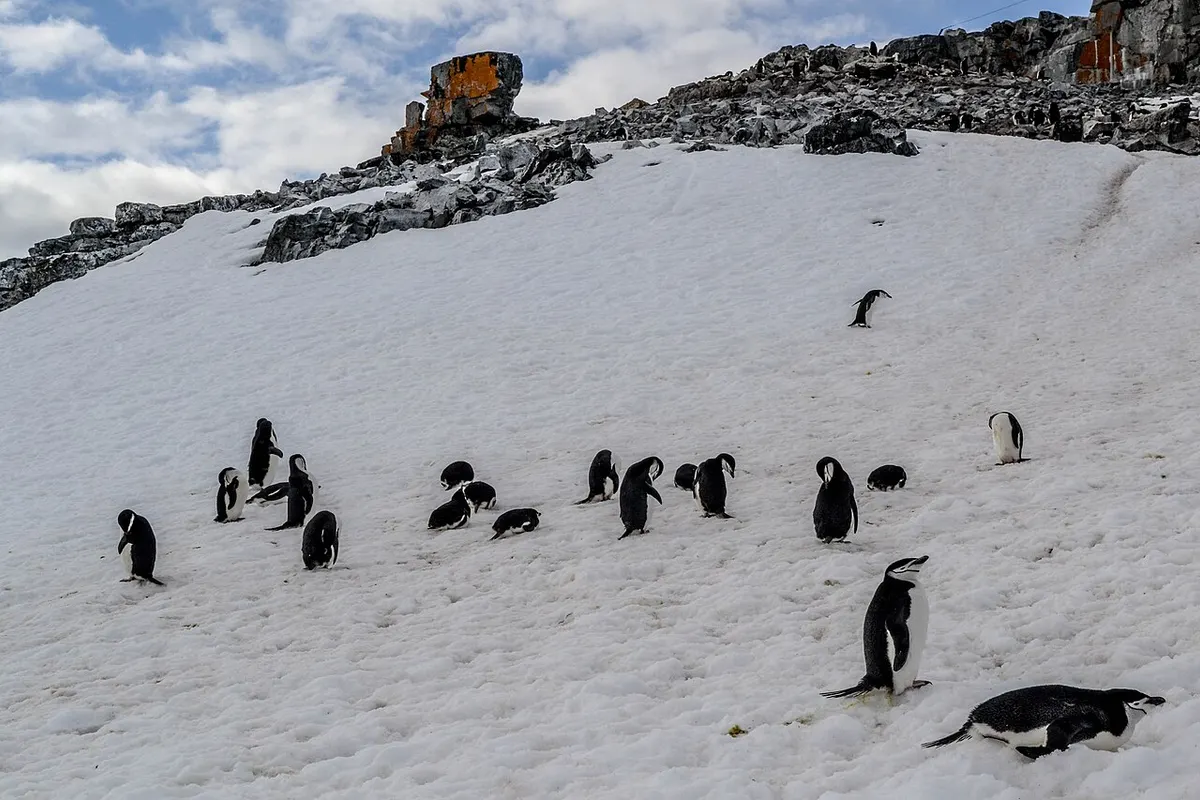
The Antarctic Peninsula is the entry point for most ship-based visits to Antarctica. Glacial bays, floating ice, bare-rock islands and Southern Ocean water alternate over short distances. Chinstrap and gentoo penguins, whales and seals carry the krill food web between sea and breeding ground.
- Country or region
- Antarctica
- Observation window
- Nov-Mar
- Suggested stay
- 9-14 day expedition
- Coordinates
- 64.50° S, 62.50° W
Start with the habitat
The Antarctic Peninsula is the entry point for most ship-based visits to Antarctica. Glacial bays, floating ice, bare-rock islands and Southern Ocean water alternate over short distances. Chinstrap and gentoo penguins, whales and seals carry the krill food web between sea and breeding ground.
Sea ice, glacier fronts, wind and current can change a navigable route each day. Bare rock provides nesting ground for penguins, while bays give whales space to feed and rest. Every landing must account for site capacity, biosecurity and the routes animals use between shore and colony.
Best time to visit Antarctic Peninsula
Late spring nesting
Snow remains widespread as penguins court, build nests and incubate eggs. Sea ice can restrict some routes.
Chicks and summer whales
Penguin chicks grow during the long days, and whales use productive coastal water. Landing sites are also at their busiest.
Late summer change
Some young penguins begin to moult and whale activity can remain strong. Weather, shorter days and the return crossing become less predictable.
How to read a field day
Listen to the site briefing
Check boots and equipment, then learn the wildlife distance, walking line and landing limit for that site.
Leave penguin routes open
Stay outside managed boundaries. Do not cross a colony, block a route to the water or touch an animal.
Move slowly along the ice edge
Small boats must leave room for whales, seals and floating ice. Withdraw when ice conditions worsen.
A practical route
- Choose an expedition vessel that follows Antarctic Treaty requirements and established site rules. Check its landing and biosecurity procedures.
- Treat possible landing sites as a flexible set. No operator can promise a particular penguin colony or whale encounter.
- Use lectures on krill, sea ice and climate to connect each sighting with the wider ecosystem.
Before you leave
- Antarctic visits must meet the permit requirements of the relevant national authority and operator. The daily briefing sets the rules for each site.
- Clean boots, bags, hook-and-loop fasteners and tripods. Do not carry seeds, soil or food ashore.
- A five-metre minimum is common, and some sites require more distance. Animals always have priority of movement.
Representative species
These species help explain the food web and habitat around Antarctic Peninsula. An association in the catalog does not guarantee a sighting.
Sources and review
The sources below support the ecological background and access boundaries in this guide. Current weather, permits, roads and local notices still need a separate check before travel.
SafariWild reviewed this page on . To report an error, send the page URL and a verifiable source through the contact page.